
During the early stages of creating a website on WordPress, you’ll encounter themes. In this guide, we’ll explain what a theme is, what it does for your site, and the differences between the types of themes you’ll encounter.
In this guide
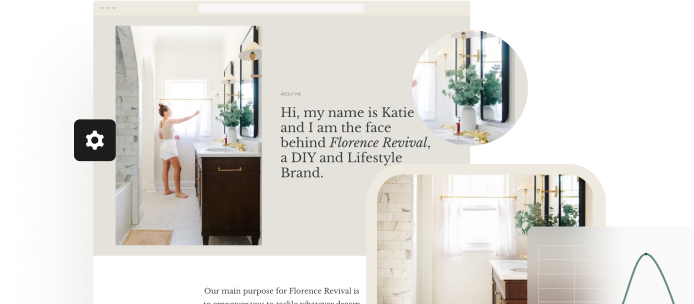
A theme is your site’s visual design and overall layout. It controls how your website’s content is presented to a visitor. Themes include design components like color schemes, typography, page layouts, and other elements that create a consistent and cohesive appearance throughout the website.
Themes provide a starting point for your website’s look and functionality. Instead of building your website’s design from scratch, a theme provides the design framework you need to launch your website quickly. With a theme, you can start creating your content immediately without spending too much time deciding on how the content looks. A well-designed theme does the hard work for you!
You can also change from one theme to another without losing your website’s content, applying the new changes automatically.

With so many options, it can be helpful to think about what you’re looking for in a theme. The main thing to remember is that you are in complete control over your site’s layout. After activating a WordPress.com theme, you can use the Site Editor to change the text, images, colors, fonts, layout, and position of all the elements on your site.
Some factors to consider when deciding on a theme include:
- Do you like the look of the header area? You’ll typically see the site title, menu, and logo here.
- Do you like how the content is organized and presented? While you can change how this looks, choosing a layout you like can mean less work moving things around later.
- Do you like how the theme appears on mobile and tablet screens? To see this, open the live demo and use the selector at the top to switch between desktop, tablet, and mobile. All WordPress.com themes are responsive to all screen sizes, including mobile phones.

When looking at themes, focus on the overall layout rather than the subject matter shown in the demo. A theme’s demo site may showcase an example of a furniture store, a music portfolio, a fashion site, or a food blog. However, your site can be customized for any topic imaginable once you swap out the demo text and images for your own.

To browse the collection of themes available to you on WordPress.com, visit Appearance → Themes in your WordPress.com dashboard. These themes don’t need to be uploaded or installed on your site — they can be activated with the click of a button.

A range of themes is available to suit all types of websites and budgets, with new themes added all the time. As you browse the themes, you’ll notice one of the following labels right below the theme’s name:
- Free: Themes that are available to all WordPress.com sites.
- Premium: Premium themes are available to sites on our Explorer, Creator, and Entrepreneur plans.
- Partner: Partner themes are available to sites on our Creator and Entrepreneur plans. These themes are created by third-party theme developers specifically for WordPress.com and require an annual or monthly subscription.
On any plugin-enabled plan, you can also search for themes developed by the WordPress community, such as Astra, OceanWP, and more. Search for your favorite community theme, and look for the “Community” tag under the theme thumbnail.
The following terms refer to the types of themes in the WordPress ecosystem:
Block themes are the latest and greatest themes available on WordPress. Sometimes called Full Site Editing (or FSE) themes, these themes harness the full power of the Site Editor to create the exact layout you want — no coding experience required.
Block themes offer a greater degree of flexibility in site design. You can use their starting layouts off the rack or as the jump-off point for your own vision. They provide precise control over every element on your site.
Block themes use Styles to configure your site’s colors, typography, and layout, expanding these customization possibilities beyond those available to earlier kinds of themes. They give you the ability to edit the templates that control how your site presents its content, as well as create custom templates, template parts, and patterns to reuse across your site’s pages, posts, and other content, which frees your site from being locked into a single look, color palette, or navigation menu.
Note: Universal themes, described below, will also appear in the block themes filter page.
Universal themes are our first version of themes that were built for the block editor. While mostly similar to block themes, the primary difference is that they still use the Customizer to edit certain aspects, like Menus.
Hybrid themes are basic themes built to use blocks but not the Site Editor. They have minimal customization options compared to block themes.
Classic themes refer to themes developed before the WordPress (block) editor was introduced. Their design is edited primarily in Appearance → Customize, but the overall structure and layout are typically set by the theme and can’t be adjusted to the same level of control as what is offered by block themes. Most block editing options (like full-width content) are unavailable in classic themes.
This section of the guide applies to sites with the WordPress.com Creator or Entrepreneur plan. If your site has one of our legacy plans, this feature is available on the Pro plan.
Third-party themes are themes developed by a range of third-party developers for use on the WordPress platform. Our guide to uploading a theme provides step-by-step instructions on adding a third-party theme to your site.
No matter your vision for your site, you can find a theme for it. If you are considering a theme from WordPress.org or from marketplaces such as Themeforest, there are extra factors to keep in mind when choosing a theme:
- How often is the theme updated? Frequent updates are a good sign.
- Does the theme have good reviews?
- Is the theme lean and lightweight, or does it rely on a lot of custom functionality (like widgets, shortcodes, and special plugins)?
- Have a lot of people installed this theme? If the theme is popular, it can signify that it performs well.
- Does the theme developer provide a reliable support service to help you with bugs and questions?
While we don’t provide support for third-party themes, we do offer suggestions for how to get help with these themes in our Get Help with Plugins and Themes support guide.
Our dedicated theme guides will help you activate, set up, and customize themes on your site:
Activate a Theme
Choosing a theme is an important step at the beginning of creating your website. This guide will show you how to find themes and choose one that fits the vision you have for your site.
Change Your Theme
You can change the theme of your site to give your existing content a fresh look. This guide explains how to switch to a new theme.
Design Your Own Theme
If you wish to create your own theme, you can design your perfect layout by following the steps in this guide.
Upload a Theme
This guide will show you how to upload any theme to your WordPress.com site.
Create a Child Theme
If you have knowledge of HTML and PHP, you can make changes to your theme’s underlying code by creating a child theme.
Delete a Theme
This guide will show you how to remove themes from your site.
Premium Themes
Our Premium themes feature intricate designs, exciting options for customization, and dedicated support.
Retired Themes
This guide explains what it means when a theme has been retired and what to do about it.
Partner Themes
Partner themes are developed by third-party creators who have made their themes available to purchase and install on WordPress.com.
This feature is available on sites with the WordPress.com Creator or Entrepreneur plan. If your site has one of our legacy plans, it is available on the Pro plan.
The Theme File Editor is a tool in WordPress used to directly edit the code of a theme installed on your site. This tool is intended for site owners with advanced programming knowledge. If this doesn’t describe you, we advise against using this feature because of the risks of breaking your site. Most tasks can be completed without the Theme File Editor using these alternatives.

To access the Theme File Editor:
- Visit your site’s dashboard.
- Navigate to Appearance in the sidebar.
- Click on Theme File Editor. If this is not listed here, it means the Theme File Editor is not accessible for your theme.
- In the upper right corner, choose the theme you want to edit from the drop-down menu labeled “Select theme to edit” and click the “Select” button.
- On the right, click on the specific theme file you want to edit. This theme file will load in the code window to the left.
- After making a change, click the “Update File” button at the bottom to save your changes.
It’s possible to make significant changes to your theme without using the Theme File Editor. Consider the following options:
- To add verification code required by services such as Google AdSense, use the Insert Headers and Footers plugin. Visit the Add code to your site headers guide for step-by-step instructions.
- For code to extend the functionality of your site, you can add snippets (small pieces of PHP code) to your site using the Code Snippets plugin.
- Use the Site Editor to change the structure, style, and functionality of any block-based theme.
- For style changes, you can use the CSS editor to add CSS code to your entire site.
- You can create a child theme and modify this using any of the above methods.
- Manage and upload new files via SFTP.